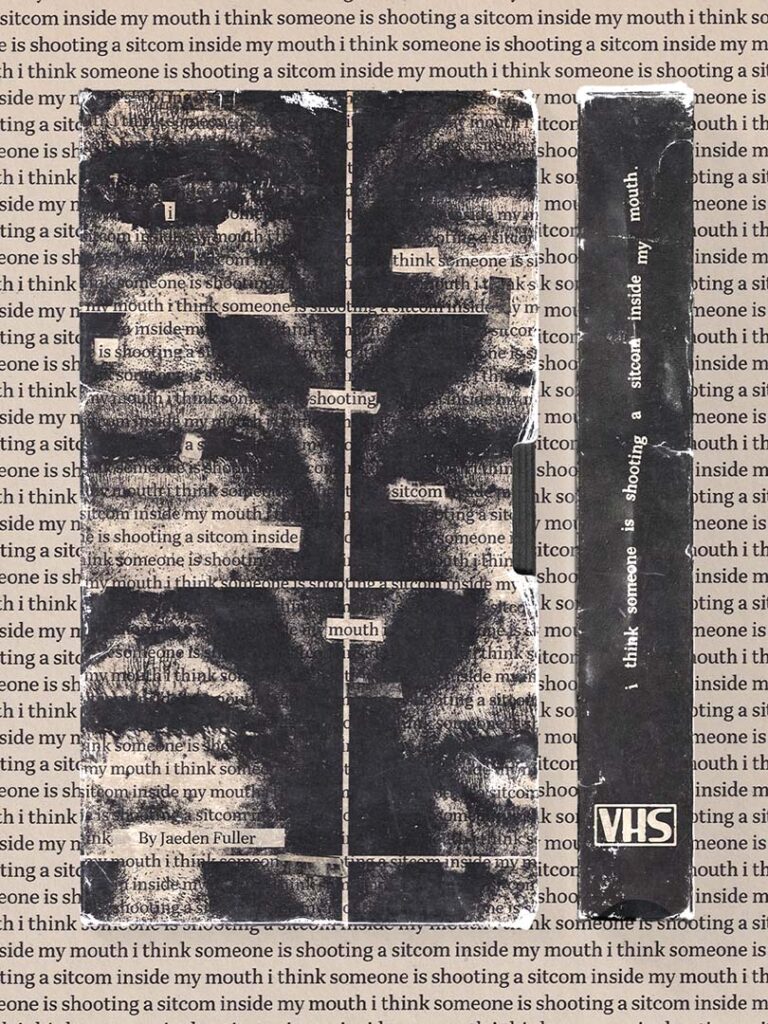

I Think Someone is Shooting a Sitcom Inside My Mouth
TYPOGRAPHY
|
PRINT DESIGN
Punchcard is a typeface developed as an abstraction of Inconsolata. The abstraction process fully embraces the monospace design of Inconsolata, as well as one of Inconsolata’s intended uses as a programming typeface.
The abstraction process starts with a 3×3 grid of circles, which defines the size of each glyph. The top left circle is used to indicate the case of the letter, filled in for uppercase and empty for lowercase. The two circles under that one are filled and connected to start the stroke of the letterform.
Following this the rest of the grid is punched in according to the last six digits of the glyphs binary code. As an example, the letter ‘G’ has a binary code of 01000111. All the 1’s in the last six digits of the binary code are used to fill in their respective circles in the grid, whereas all the 0’s remain empty.
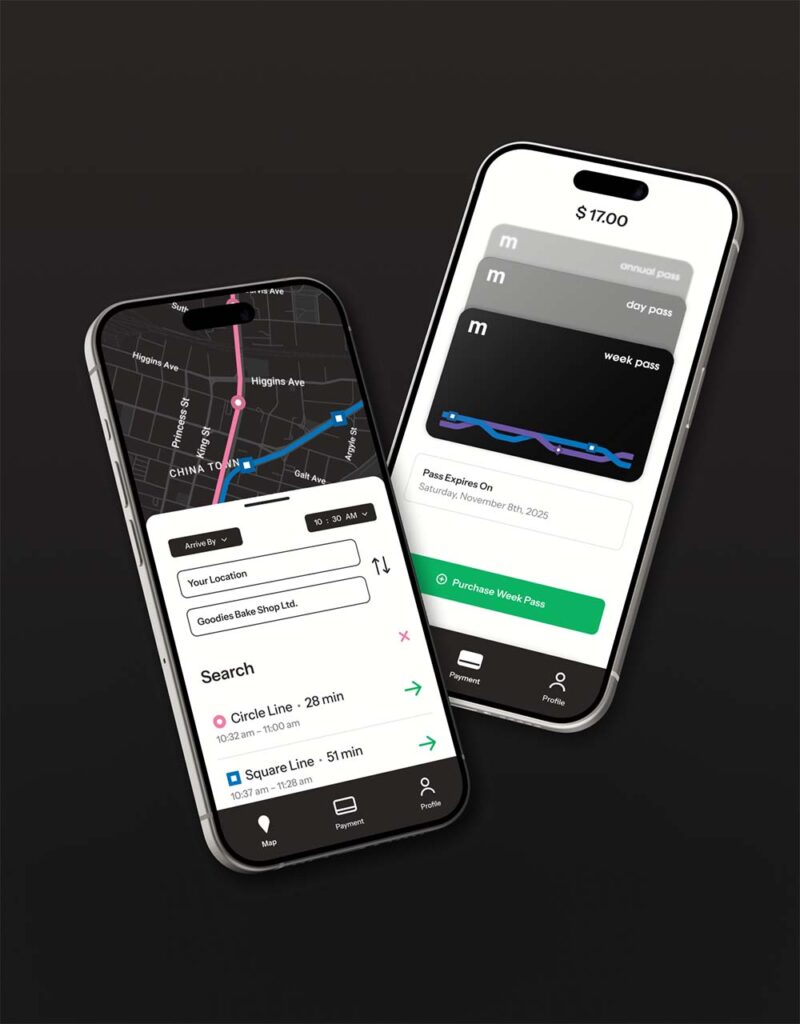
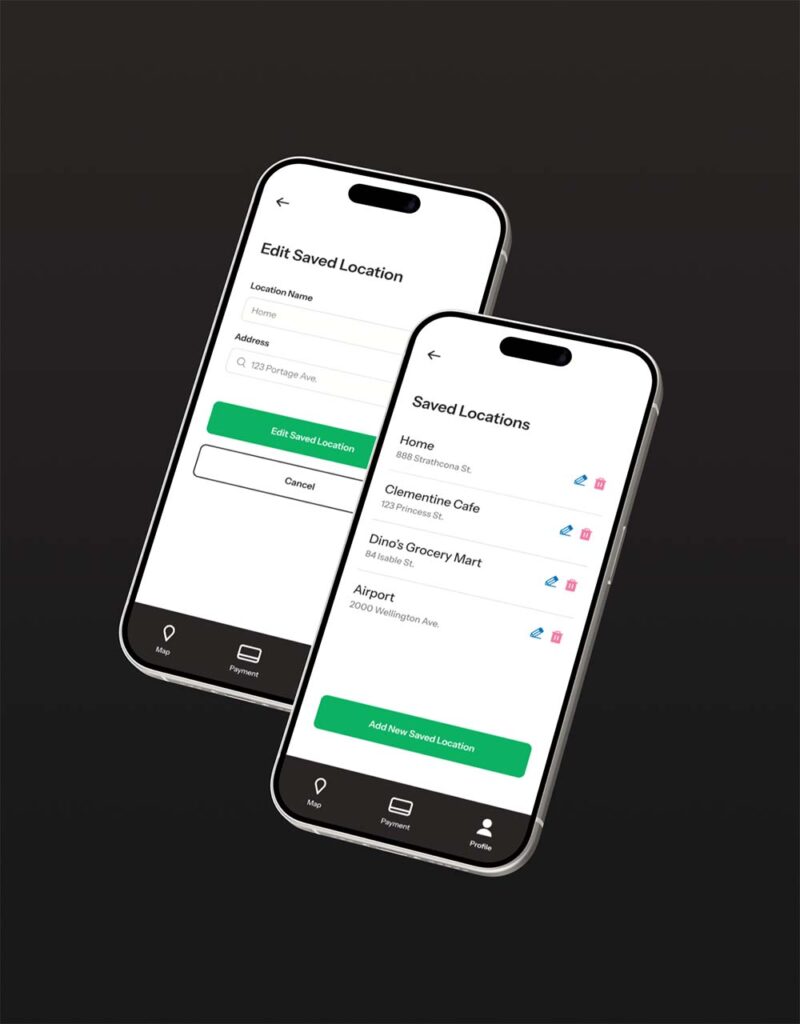
Winnipeg Metro
TYPOGRAPHY
|
PRINT DESIGN
Punchcard is a typeface developed as an abstraction of Inconsolata. The abstraction process fully embraces the monospace design of Inconsolata, as well as one of Inconsolata’s intended uses as a programming typeface.
The abstraction process starts with a 3×3 grid of circles, which defines the size of each glyph. The top left circle is used to indicate the case of the letter, filled in for uppercase and empty for lowercase. The two circles under that one are filled and connected to start the stroke of the letterform.
Following this the rest of the grid is punched in according to the last six digits of the glyphs binary code. As an example, the letter ‘G’ has a binary code of 01000111. All the 1’s in the last six digits of the binary code are used to fill in their respective circles in the grid, whereas all the 0’s remain empty.
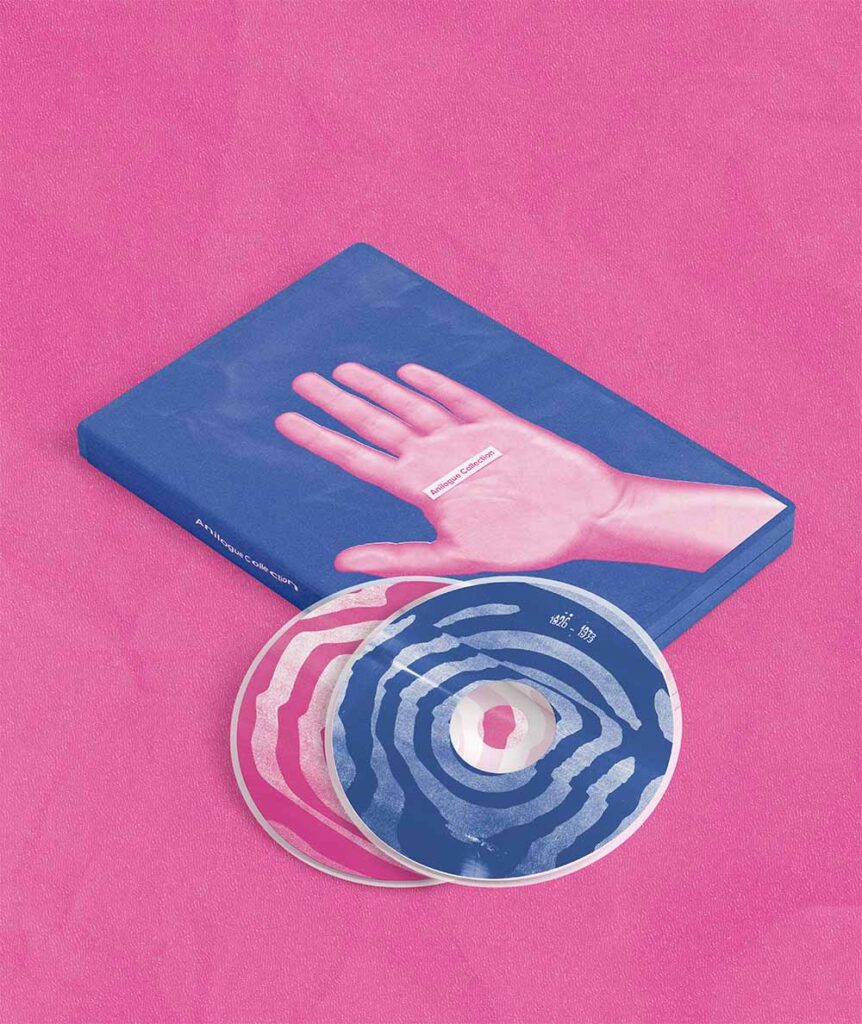
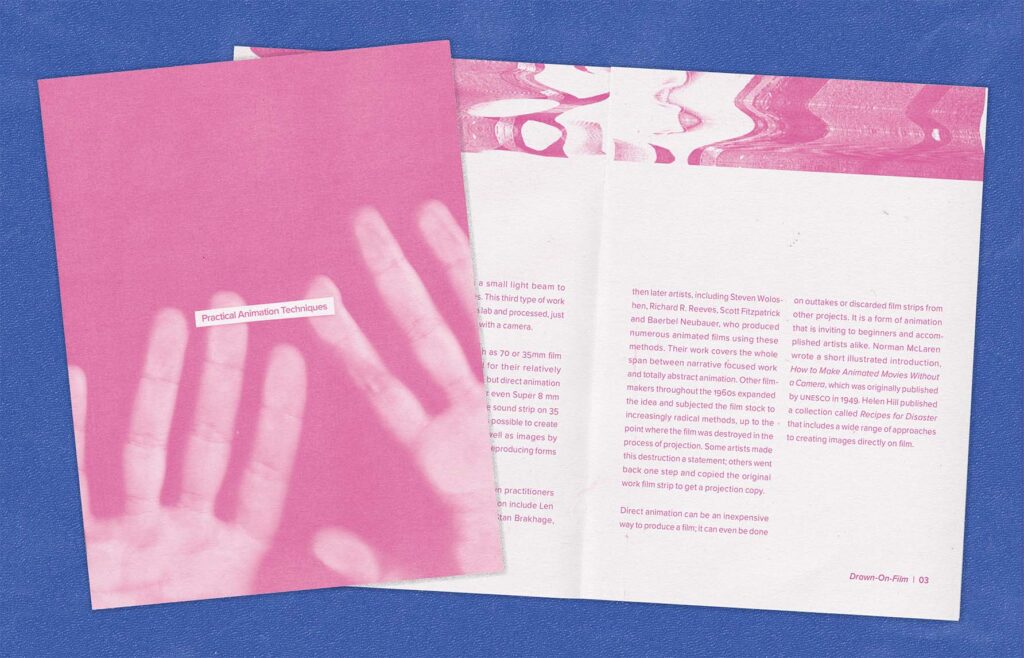
Anilogue Collection
TYPOGRAPHY
|
PRINT DESIGN
Punchcard is a typeface developed as an abstraction of Inconsolata. The abstraction process fully embraces the monospace design of Inconsolata, as well as one of Inconsolata’s intended uses as a programming typeface.
The abstraction process starts with a 3×3 grid of circles, which defines the size of each glyph. The top left circle is used to indicate the case of the letter, filled in for uppercase and empty for lowercase. The two circles under that one are filled and connected to start the stroke of the letterform.
Following this the rest of the grid is punched in according to the last six digits of the glyphs binary code. As an example, the letter ‘G’ has a binary code of 01000111. All the 1’s in the last six digits of the binary code are used to fill in their respective circles in the grid, whereas all the 0’s remain empty.
Landline Mono
TYPEFACE DESIGN
Landline Mono was developed for use with landline telephones. The concept was born when I realized that most touchtone telephones layed out their type in a highly gridded way but were not using a monospaced font. Because of this, the typography on these phones consistently suffered from weird spacing inconsistencies on their buttons.
In the process of development, I decided to widen the scope of the typeface’s purpose to also include print. Above all that however, Landline Mono is a wide monospace with a little bit of a retrofuturistic twist in each and every glyph!
Punchcard
TYPOGRAPHY
|
PRINT DESIGN
Punchcard is a typeface developed as an abstraction of Inconsolata. The abstraction process fully embraces the monospace design of Inconsolata, as well as one of Inconsolata’s intended uses as a programming typeface.
The abstraction process starts with a 3×3 grid of circles, which defines the size of each glyph. The top left circle is used to indicate the case of the letter, filled in for uppercase and empty for lowercase. The two circles under that one are filled and connected to start the stroke of the letterform.
Following this the rest of the grid is punched in according to the last six digits of the glyphs binary code. As an example, the letter ‘G’ has a binary code of 01000111. All the 1’s in the last six digits of the binary code are used to fill in their respective circles in the grid, whereas all the 0’s remain empty.
Motion Graphics Demo Reel
TYPOGRAPHY
|
PRINT DESIGN
Punchcard is a typeface developed as an abstraction of Inconsolata. The abstraction process fully embraces the monospace design of Inconsolata, as well as one of Inconsolata’s intended uses as a programming typeface.
The abstraction process starts with a 3×3 grid of circles, which defines the size of each glyph. The top left circle is used to indicate the case of the letter, filled in for uppercase and empty for lowercase. The two circles under that one are filled and connected to start the stroke of the letterform.
Following this the rest of the grid is punched in according to the last six digits of the glyphs binary code. As an example, the letter ‘G’ has a binary code of 01000111. All the 1’s in the last six digits of the binary code are used to fill in their respective circles in the grid, whereas all the 0’s remain empty.
Sketchbook
TYPOGRAPHY
|
PRINT DESIGN
Punchcard is a typeface developed as an abstraction of Inconsolata. The abstraction process fully embraces the monospace design of Inconsolata, as well as one of Inconsolata’s intended uses as a programming typeface.
The abstraction process starts with a 3×3 grid of circles, which defines the size of each glyph. The top left circle is used to indicate the case of the letter, filled in for uppercase and empty for lowercase. The two circles under that one are filled and connected to start the stroke of the letterform.
Following this the rest of the grid is punched in according to the last six digits of the glyphs binary code. As an example, the letter ‘G’ has a binary code of 01000111. All the 1’s in the last six digits of the binary code are used to fill in their respective circles in the grid, whereas all the 0’s remain empty.
About Me
Y’ello! I’m Jaeden, a graphic designer from Winnipeg, MB. I’m interested in animation, illustration & editorial design.
Get In Contact
Shoot me an email for any design inquiries (or anything else)!